The SIECUS Circle: A Humanist Revolution
$5.99
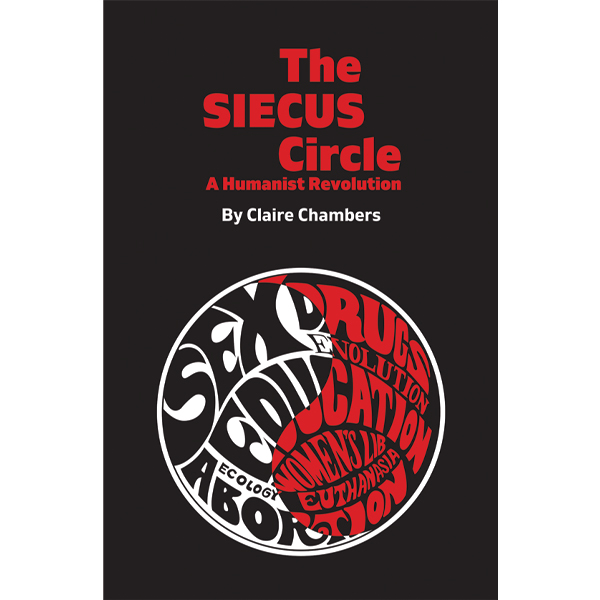
They promised education — what followed was capture. The SIECUS Circle: A Humanist Revolution reveals how a 1960s network of activists, academics, and foundations turned sex education into a vehicle for Humanism, shifting moral authority from parents to bureaucrats. With names, documents, and funding trails exposed, Chambers delivers a map to dismantle the system and restore the family’s rightful place as the guardian of truth and innocence.
Description
They promised “education.” What followed was capture. In The SIECUS Circle: A Humanist Revolution, Claire Chambers tracks how a private council, launched in 1964, built a national program that sexualized childhood, normalized relativism, and moved authority from the family to outside managers. The book stays on record so the case is plain and the targets are visible.
Chambers names the machinery: SIECUS moving in the wake of Kinsey; seed money from the Playboy Foundation; grants that crowned SIECUS the “clearinghouse”; Mary Calderone’s push from kindergarten through high school; and legal shifts that leaned on Kinsey’s elastic “normal.” Around that hub: medical guilds, publishers, denominational bodies, and national associations — an interlocking “circle” that sold comprehensive programs while redirecting moral control away from home.
Methods are documented, not theorized: films and curricula that desensitize; “parent centers” that retrain adults; professional workshops for teachers, administrators, clergy, and law enforcement; and careful language work — “sexual beings from birth,” “value-free,” “rights” — that turns talking points into policy. The appendixes carry weight: the Humanist Manifestos, board lists, funders, allied groups, and sworn testimony that locates the network in real institutions. Readers get evidence types, such as obituaries, position statements, and committee reports, to brief a board or a pastor without guesswork.
Why it matters now is simple: the names have changed, but the design endures. The same network that once slipped into classrooms now writes the standards, funds the research, and shapes the minds of tomorrow. Chambers’ map exposes the architecture so readers can dismantle it — school by school, board by board, heart by heart. The SIECUS Circle: A Humanist Revolution ends where it must: with the call to reclaim what was ours to begin with — the teaching of truth, the guarding of innocence, and the sacred duty of parents to raise children in light, not darkness. (2025ed, 645pp, pb)